


As of July 27, 2026, Brent and West Texas Intermediate crude futures have fallen by more than 5% after the United States and Iran paused attacks over the weekend. The move reduced part of the geopolitical premium built into energy and petrochemical feedstock costs.
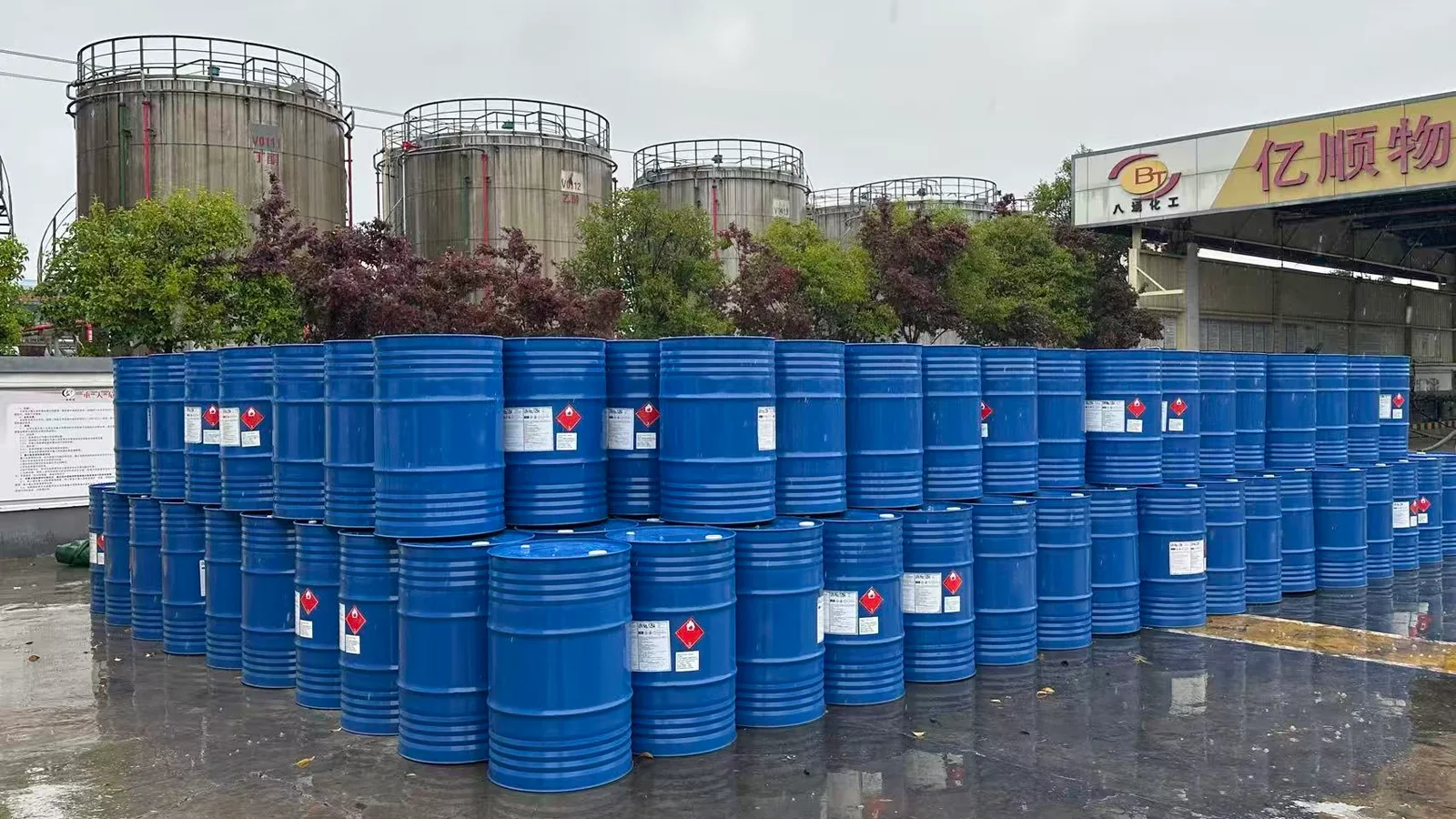
Yishun Chemical warehouse and storage area. Company-supplied photograph.
For buyers of toluene, xylene and styrene, this creates downward price pressure—but it does not mean every spot offer will fall immediately or that executable cargoes are readily available. Price direction and physical availability need to be evaluated together.
Why Crude Oil Fell—but Risk Has Not Disappeared
U.S. President Donald Trump paused strikes on Iran to allow more time for diplomacy, and Iran paused retaliatory attacks. This should not yet be described as a new formal ceasefire agreement.
Energy and shipping risks remain. Reuters reported that fewer than 10 commodity vessels per day passed through the Strait of Hormuz over the weekend. Traffic recovery may be slow, while recent incidents around the Red Sea and Caspian Sea show that regional risk has not disappeared.
Buyers should treat the oil decline as a change in cost expectations—not proof that chemical supply chains have returned to normal.
What Lower Oil Means for Toluene, Xylene and Styrene
Crude oil influences aromatics through refinery economics, naphtha and related feedstocks. A sustained decline can weaken cost support, but each product also follows its own supply-and-demand balance.
Toluene
Lower crude and naphtha values may pressure toluene prices. However, Chinese market data from mid-July showed that tight domestic supply, low inventories and limited imports had previously supported the market. Downstream buyers were already cautious and mainly purchasing for immediate requirements.
Xylene
Xylene is affected by crude and naphtha costs, refinery operating rates and demand from the paraxylene chain. Softer PX demand can weaken xylene, while refinery maintenance or reduced merchant supply can limit the speed of a decline.
Styrene
Styrene depends on benzene and ethylene costs, but maintenance, exports, inventories and downstream operating rates also matter. Recent Chinese reporting showed support from low benzene inventories and delayed plant restarts, while weak downstream margins continued to restrict demand.
The result is unlikely to be a uniform decline. Product, location, quantity and loading window will determine whether a lower indication becomes an executable transaction.
A Posted Price Is Not Always an Executable Spot Offer
A market may have list prices or indicative offers while lacking sufficient spot volume for immediate execution. This is the practical meaning of a “quoted but thinly traded” spot market.
For an international buyer, a usable offer should confirm:
- Product specification and origin.
- Available quantity.
- Packing or bulk loading method.
- Actual loading window.
- Incoterm and destination.
- Payment terms and offer validity.
- Required COA, SDS and export documents.
Without these details, a quoted price may not represent material that can be allocated and shipped.
Why Buyers Should Secure Orders Early
Buyers with confirmed production demand should not assume that lower crude will automatically create a better chemical purchase. Cost pressure may improve negotiations, but limited spot availability can remove the required quantity or loading window before the expected decline is fully reflected.
The practical approach is to request an executable quotation early, compare offers on the same delivery basis and secure both cargo allocation and the shipment plan. This reduces exposure to sudden market reversals without implying that any price direction is guaranteed.
Yishun Chemical Holds More Than 5,000 Tons Across Multiple Products
To support customers during the current period of oil-price volatility and tight executable supply, Yishun Chemical has recently added more than 2,000 metric tons of spot inventory across toluene, styrene, MEK, xylene and acetone.
As of July 27, 2026, Yishun Chemical’s combined inventory available for customer allocation across these product categories exceeds 5,000 metric tons. This total includes the previously received 2,000 metric tons of styrene together with newly added and other existing inventory; it does not refer to styrene alone.
Buyers can review our Toluene, Xylene and Styrene product information. Final availability, price and delivery arrangements depend on the selected product, specification, quantity, destination and loading requirements.
Sources
- Reuters / Euronext — Oil slips more than 5% after U.S. pauses strikes on Iran, July 27, 2026
- Associated Press — Oil prices ease after U.S. and Iran pause attacks, July 26, 2026
- Associated Press — U.S. and Iran pause attacks for a second straight day, July 26, 2026
- Reuters / MarketScreener — Oil slips 5% after U.S. and Iran pause fighting, July 27, 2026
- Reuters — Iran war spreads to the Red Sea and Caspian Sea, July 26, 2026
- China Financial Information Network — Why benzene and styrene strengthened, July 20, 2026
- Business Society / Sina Finance — Toluene market update, July 17, 2026
- China Coking Industry Association — June aromatics review and July outlook, July 14, 2026